What Is Lichen on Your Roof? (And Why It’s More Damaging Than You Think)
If you’ve noticed rough, crusty patches on your roof that won’t wash away easily—you’re likely dealing with lichen.
Most homeowners mistake lichen for dirt or moss. But the reality is, it’s far more aggressive—and far more damaging.
In this guide, we’ll break down what lichen is, how it damages your roof, and the safest way to remove it before it leads to costly repairs.
What Is Lichen?
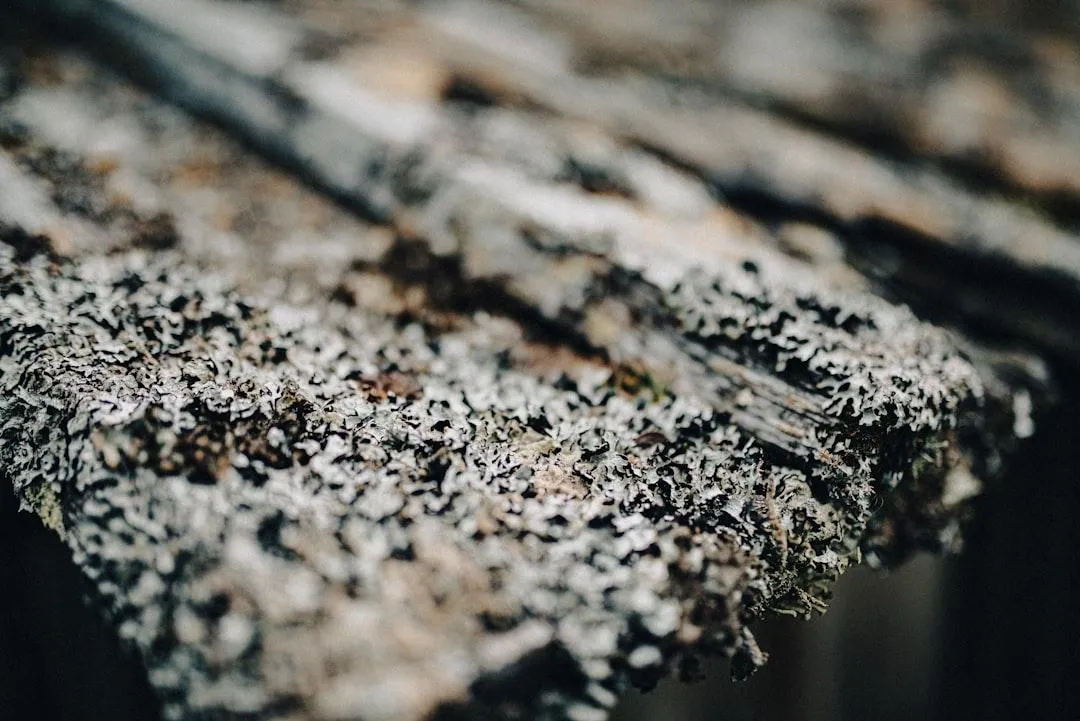
Lichen is a combination of algae and fungus that grows together as a single organism.
Unlike moss, which sits on the surface, lichen anchors itself into your roof using root-like structures.
That’s what makes it so dangerous—it doesn’t just grow on your roof, it grows into it.
What Does Lichen Look Like?
Lichen usually appears as:
Crusty or scaly patches
White, grey, green, or yellow spots
Hard, stuck-on growth that doesn’t wash away easily
It often spreads slowly, which is why many homeowners ignore it—until the damage is already done.
Signs Your Roof Needs Cleaning (And Why You Shouldn’t Ignore Them)
Why Lichen Is So Damaging to Your Roof
This is where most people underestimate the problem.
Lichen doesn’t just sit on your roof—it actively breaks it down.
Here’s how:
1. It Embeds Into Roofing Materials
Lichen attaches deeply into tiles or shingles.
Over time, this weakens the structure and can cause surface deterioration.
2. It Traps Moisture
Lichen holds moisture against your roof.
This creates the perfect conditions for:
Rot
Mould
Water damage
3. It Causes Long-Term Surface Damage
As lichen grows and expands, it can:
Crack tiles
Lift protective layers
Shorten your roof’s lifespan
Lichen spreads slowly, but the damage compounds over time.
What starts as a small patch can turn into widespread deterioration across your roof.
This is where homeowners end up paying for:
Tile replacement
Leak repairs
Full roof restoration
Benefits of Roof Cleaning: Why It’s Worth It for Your Home
Can You Remove Lichen Yourself?
This is where people make a costly mistake.
Most DIY attempts involve pressure washing—but that creates more problems than it solves.
High pressure can:
Damage tiles
Strip protective coatings
Force water underneath your roof
And even worse—it doesn’t fully kill the lichen, so it comes back.
The Right Way to Remove Lichen
Lichen needs to be treated at the root, not just removed from the surface.
That’s where softwashing comes in.
Softwashing uses specialised solutions to:
Kill the lichen at its source
Break down its structure
Prevent regrowth
All without damaging your roof.
Roof Washing | Why You Should Consider Softwashing
How to Know If Your Roof Has Lichen
If you’re unsure, here are quick signs:
Hard, crusty patches
Spots that don’t come off with rain
Mixed colours (white, green, yellow)
Growth that looks “stuck” to the surface
Signs Your Roof Needs Cleaning (And Why You Shouldn’t Ignore Them)
How Often Should Lichen Be Treated?
Once lichen appears, it won’t go away on its own.
Regular roof cleaning every 2–4 years helps prevent it from returning and causing further damage.
How Often Should You Clean Your Roof? A Complete Guide for Homeowners
Before and After Removing Lichen
The difference after proper treatment is massive.
What was once crusted, stained, and damaging your roof becomes clean, treated, and protected.
Before and After | Roof Cleaning: Real Results That Speak for Themselves
Key Takeaways
Lichen is one of the most damaging types of growth you can have on your roof.
It embeds into roofing materials, traps moisture, and causes long-term structural damage.
DIY removal methods often make things worse—proper treatment is key.
Softwashing is the safest and most effective way to remove lichen and prevent it from coming back.
Get Professional Roof Cleaning Done Right
If you’ve spotted lichen on your roof, the best move is to deal with it early before it spreads.
Get a free quote here or
Contact us at 0483 953 484
Email: [email protected]
